How Do You Clean and Maintain an Epoxy Garage Floor?
By Permanent Coating Solutions LLC ·
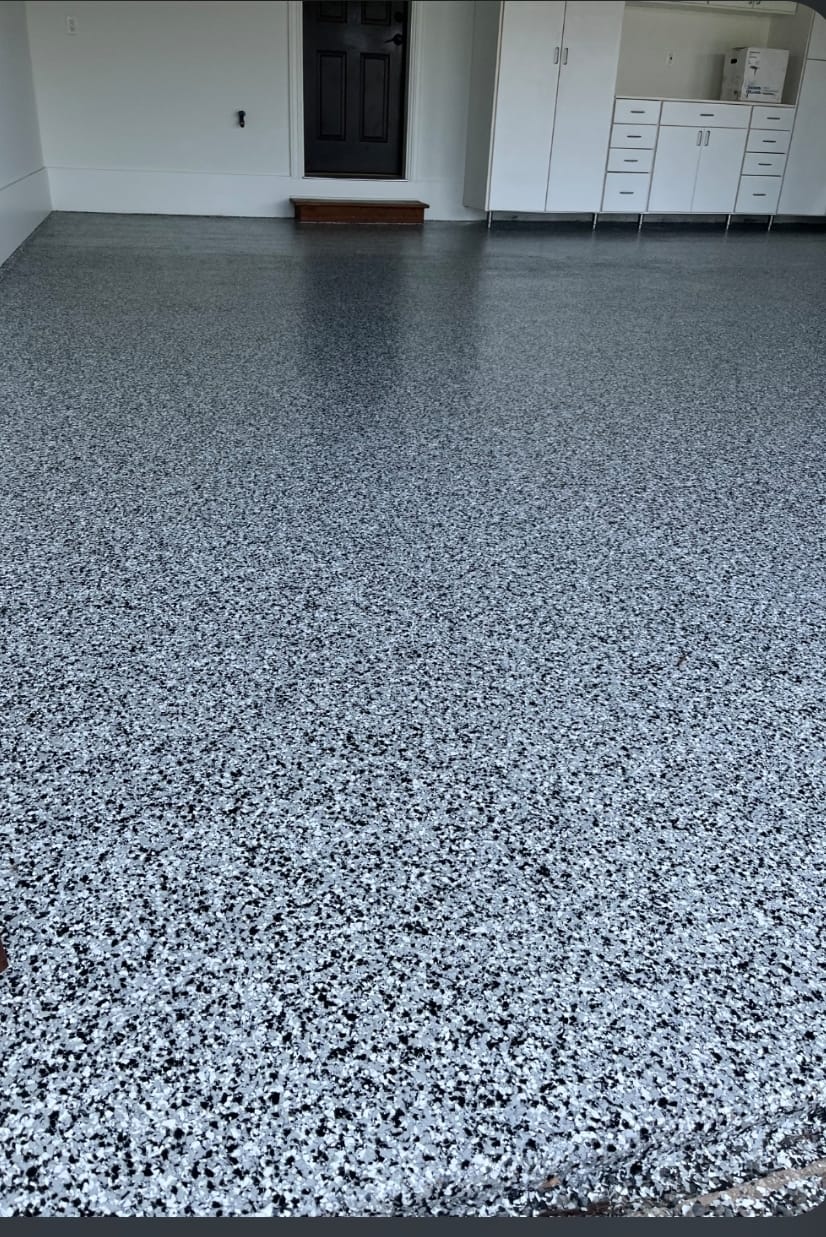
Start with gentle cleaning and the installer's guidance
Maintain a coated garage floor by removing grit regularly, cleaning with a product approved for the installed topcoat and promptly removing spills and winter residue. Routine care helps preserve appearance and performance, but no cleaning routine can reverse a failing bond or structural concrete movement.
Keep the project's care instructions. Epoxy-based systems can have different protective topcoats, so advice for one product may not apply to another. Wait until the floor is released for cleaning and chemical exposure before using detergents or wet coverings.
Remove abrasive debris first
Sweep with a suitable soft broom or use a vacuum attachment that will not scratch. Road grit, sand and metal fragments can act as abrasives when trapped beneath shoes, tires or a mop. Clean up workshop debris before it is spread over the floor.
Move equipment carefully rather than dragging it. Use suitable protective pads or supports where recommended, and pay attention to grit lodged underneath them. A coating can resist everyday wear without being immune to gouges from sharp or concentrated loads.
Wash without leaving a slippery film
Use the cleaner and dilution recommended for the actual finish; a suitable neutral-pH cleaner is often a starting point, not a universal authorization for every product. Test unfamiliar cleaners in an inconspicuous area and avoid mixing cleaning chemicals.
Work in manageable areas with a soft mop or approved brush, collect dirty water and rinse where the instructions require it. Too much detergent can leave residue. Remove standing water without directing it into adjoining rooms or areas where it can freeze.
Winter salt and automotive spills
Remove slush and grit as conditions allow, then clean salt residue instead of letting it accumulate under storage or vehicles. A dry white film may need more than sweeping. Follow the approved washing method and allow safe drying.
Clean oil and automotive fluids promptly using the specified method. Chemical resistance depends on formulation and exposure time; it is not a reason to leave a spill. Identify unknown fluids, use appropriate protection and follow disposal guidance rather than rinsing them outdoors or into drains.
Avoid damage and know when to call
Avoid abrasive pads, aggressive scraping and unapproved acidic or solvent cleaners. Do not use wax, polish, steam or pressure washing unless the installer approves it for the system. These methods can affect appearance, traction or vulnerable edges.
Inspect traffic paths, door edges and joints during cleaning. Contact PCS if you see blistering, peeling, soft spots or recurring discoloration. Ask before spot-repairing or recoating: a compatible repair may be possible, but maintenance material should not conceal an unresolved moisture or adhesion problem.
Technical sources and further reading
These references support general education, not a claim that PCS installs every example product. The selected system's current product and safety data govern the actual work.
Sikafloor-264: example product-specific application and cure requirements