Can You Epoxy a Cracked or Damaged Garage Floor?
By Permanent Coating Solutions LLC ·
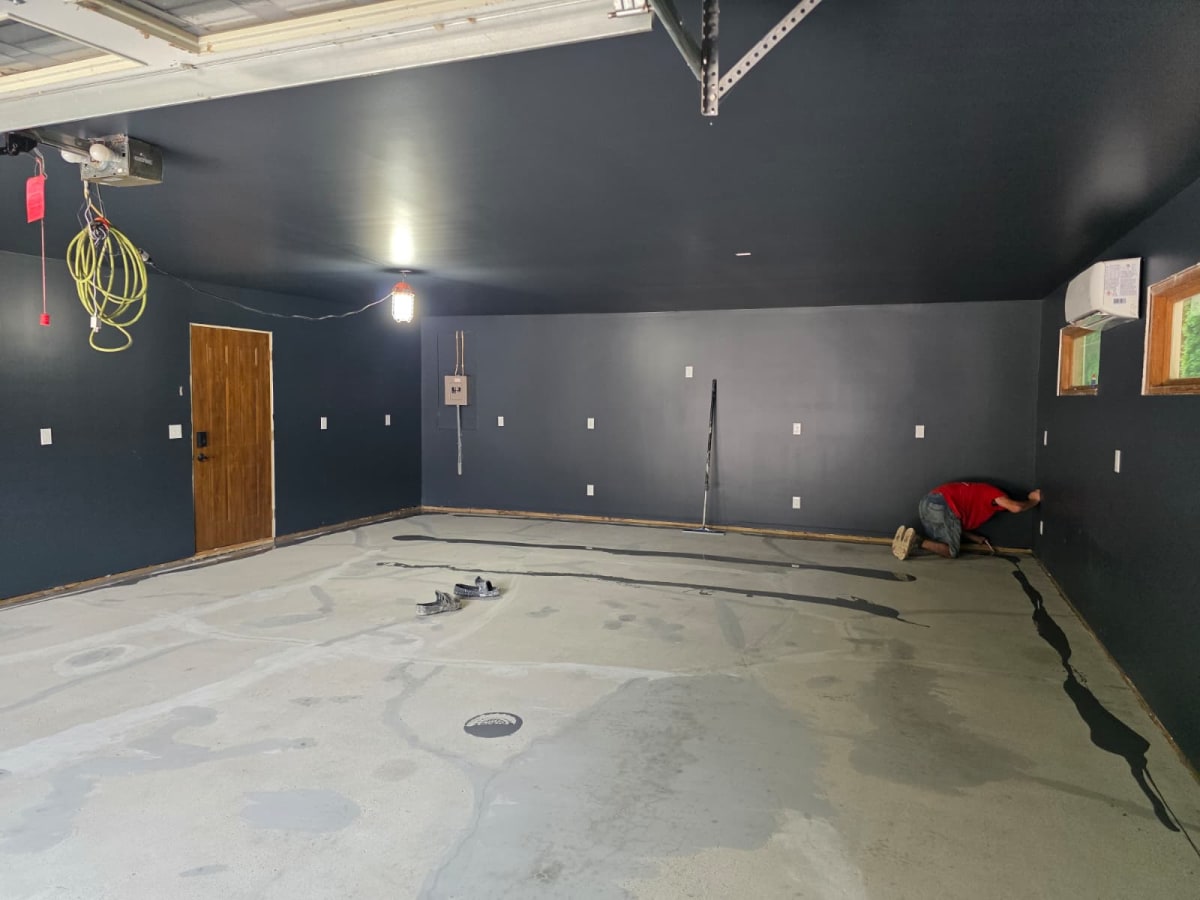
Many damaged floors can be coated—but assessment comes first
Many cracked garage floors can receive a coating after suitable repairs, provided the remaining concrete is sound and the causes of damage are understood. A coating is a finish bonded to the slab; it is not structural reinforcement and it cannot guarantee that a repaired crack will never show again.
A narrow, stable shrinkage crack is different from a crack with vertical displacement, widening gaps or ongoing settlement. Do not judge the risk by crack width alone. Changes over time, water entry and nearby drainage can be more important than the first photograph suggests.
Identify the kind of defect
Small shrinkage cracks form as concrete changes volume. Control joints are intentional weakened planes intended to manage where cracking occurs. Expansion and isolation joints allow movement between elements. These are not all defects to fill with the same rigid material.
A garage with uneven slab panels, a rocking section or cracks continuing into other building components needs further evaluation. A coating installer may recommend a concrete repair specialist or structural professional before proceeding. Covering the evidence with a decorative finish does not resolve the underlying problem.
What repair preparation involves
A suitable repair starts by removing loose material and contamination and preparing the defect for the specified repair product. Depending on the condition, cracks may be opened and cleaned before filling, while spalled areas may need removal back to sound concrete. Repair depth, cure requirements and compatibility with the floor system determine the method.
Do not assume a household caulk or an old patch can be left under the coating. Some materials remain flexible, contaminate adjacent concrete or prevent adhesion. The installer should assess existing repairs and explain which need replacement.
A real PCS preparation example
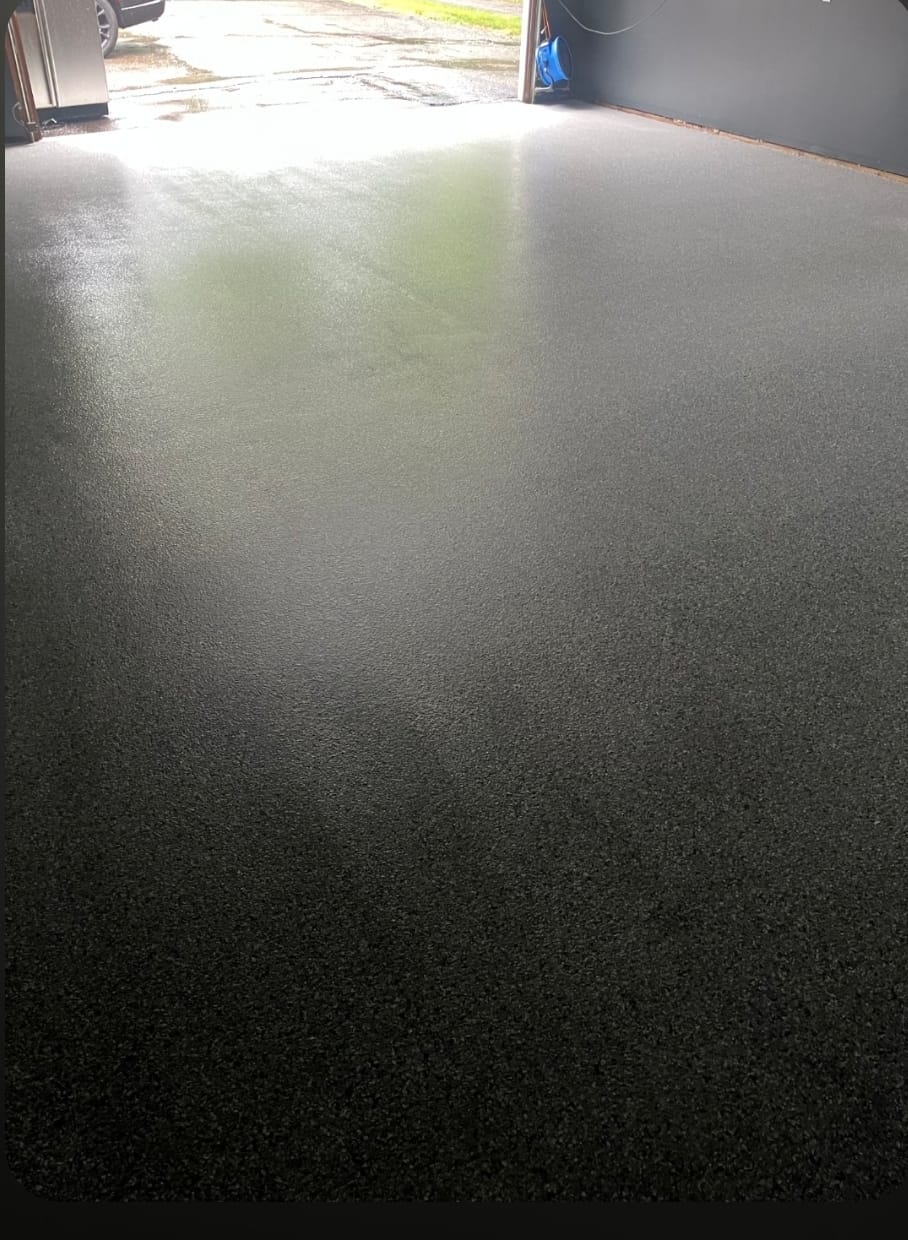
The PCS Mound project report shows concrete crack repair and subsequent floor coating. The photographs below are from that same published report. They illustrate a repair-and-finish sequence, not a promise that every damaged slab is suitable or that cracks cannot return.
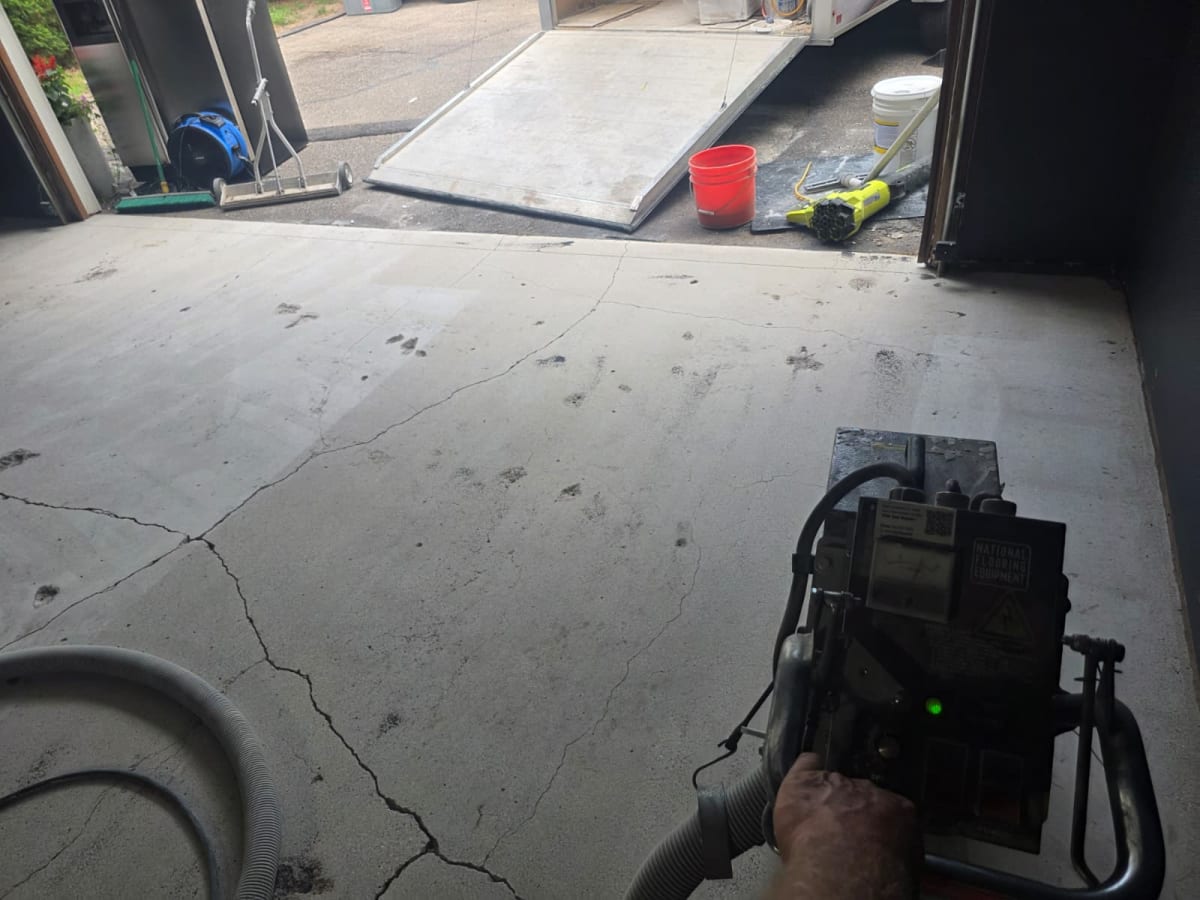
What the finished surface can and cannot do
Repairing stable defects and applying a compatible system can improve appearance and create a more cleanable wear surface. Movement can still transfer through a rigid repair or coating. Joints may need to remain expressed or receive a specified flexible treatment rather than being hidden.
Ask PCS which cracks appear stable, how joints will be handled and whether moisture testing is needed. If you have photographs from earlier seasons, share them. A documented history helps distinguish an old cosmetic line from an active problem.
Technical sources and further reading
These references support general education, not a claim that PCS installs every example product. The selected system's current product and safety data govern the actual work.